Pests do not read labels or respect property lines. Ants braid through foundation cracks you did not know existed, a wasp queen tests the soffit in early spring, and a mouse slips through a gap no wider than a pencil. You can spray, trap, and seal, yet the pressure returns the next warm spell. The most reliable way to break that cycle is to treat pest control as an integrated system, not a single tool. Integrated Pest Management, or IPM, knits together inspection, habitat modification, mechanical exclusion, targeted chemistry, and monitoring. Done well, it reduces pesticide use over time, stretches budgets, and gives more durable results.
I have yet to see a building, farm, or warehouse where one tactic solved everything. What works is a layered plan that matches the biology of the pest, the rhythms of the property, and the tolerance of the people who live or work there. The details matter: soil type influences termite bait station spacing, irrigation schedules influence ant foraging, and even a porch light bulb’s color influences spider web placement. The following sections map out how to apply integrated control across common pests, with practical notes learned the hard way.
What “integrated” really means on a property
Integrated means the pieces support one another. Think of it as a loop rather than a line. You inspect, you prescribe a blend of tactics, you monitor, and you adjust. Each pass closes gaps the last pass missed.
Start with pressure mapping. Where do pests enter, rest, feed, and breed? That is not a rhetorical step. A two-hour inspection with a flashlight and a mirror will usually reveal the leading edges of a problem. Tall grass? Expect ticks and mosquitoes along the margins. Stored cardboard against a basement wall? Rodents and cockroaches love that kind of harbor. Leaky hose bib under a sill plate? Ants, termites, and silverfish will find it.
Once you have a map, match tools to pressure. If carpenter ants are trailing from a maple into a damp wall void, a broadcast perimeter spray alone will not hold. You would prune branch-to-roof bridges, dry the wall cavity, deploy gel bait at intercept points, and perhaps apply a dust into the void if activity is active. If you are fighting a cluster of yellowjackets near a siding seam in August, you will combine a night-time dust injection with a follow-up vacuum extraction the next evening and replace rotted trim that gave them access. Integrated is not more complicated for its own sake. It is precise for the sake of reliability.
Risk, thresholds, and where chemistry fits
Chemistry has a place. So do traps, vacuums, sealants, and rakes. The decision to use a residual spray, a bait, a dust, or nothing chemical at all depends on thresholds. In a childcare facility, your tolerance for any rodent sign might be zero, which shifts you toward exclusion and trapping as your first line, with rodenticide only in tamper-resistant stations outdoors. In a rental property with chronic German cockroach pressure, you might commit to a multi-visit gel bait and insect growth regulator program, integrated with clutter reduction and crack-and-crevice sealing.
Two principles guide tool choice. First, the most targeted option that reliably solves the problem is preferred. Second, the sequence matters, because each tactic can set up the next. Seal gaps before you bait mice, or your bait will draw in rodents from the neighborhood. Trim vegetation and reduce moisture before you spray for ants, or sugar baits will compete with honeydew from aphids and mealybugs and lose.
Ant control, without chasing your tail
Ants are endlessly adaptable. One colony may split into dozens of satellite nests, and species matter more than label promises. Pavement ants will respond to protein baits in spring and sugar baits in late summer. Odorous house ants move back and forth between proteins, sugars, and fats as brood needs change. Carpenter ants are not drawn to granular baits with much enthusiasm if they have access to wet wood and aphid honeydew.
A sustainable ant control plan mixes cultural adjustments with precise baiting and limited residuals. Reduce irrigation and mulch depth near foundations. Create a bare soil or stone border that stays dry, at least 12 to 18 inches wide. Track trails with a wet cloth or a puff of baby powder to see where they lead, then place gel baits in small dabs along intercept points rather than across broad surfaces. Rotate modes of action seasonally to avoid behavioral resistance. Reserve perimeter sprays for moments when foraging pressure overwhelms sensitive areas like a kitchen threshold, and then only after you have reduced competing food outside.
A recurring mistake is to spray over bait placements. Sprays can repel the ants that carry bait back to the brood, breaking the very mechanism that collapses the colony. The integrated approach staggers tactics. Bait first, let it work, then spot treat the holdouts. Document what each species took and when, because next year’s pattern often matches this year’s notes.
Termite control that favors long horizons
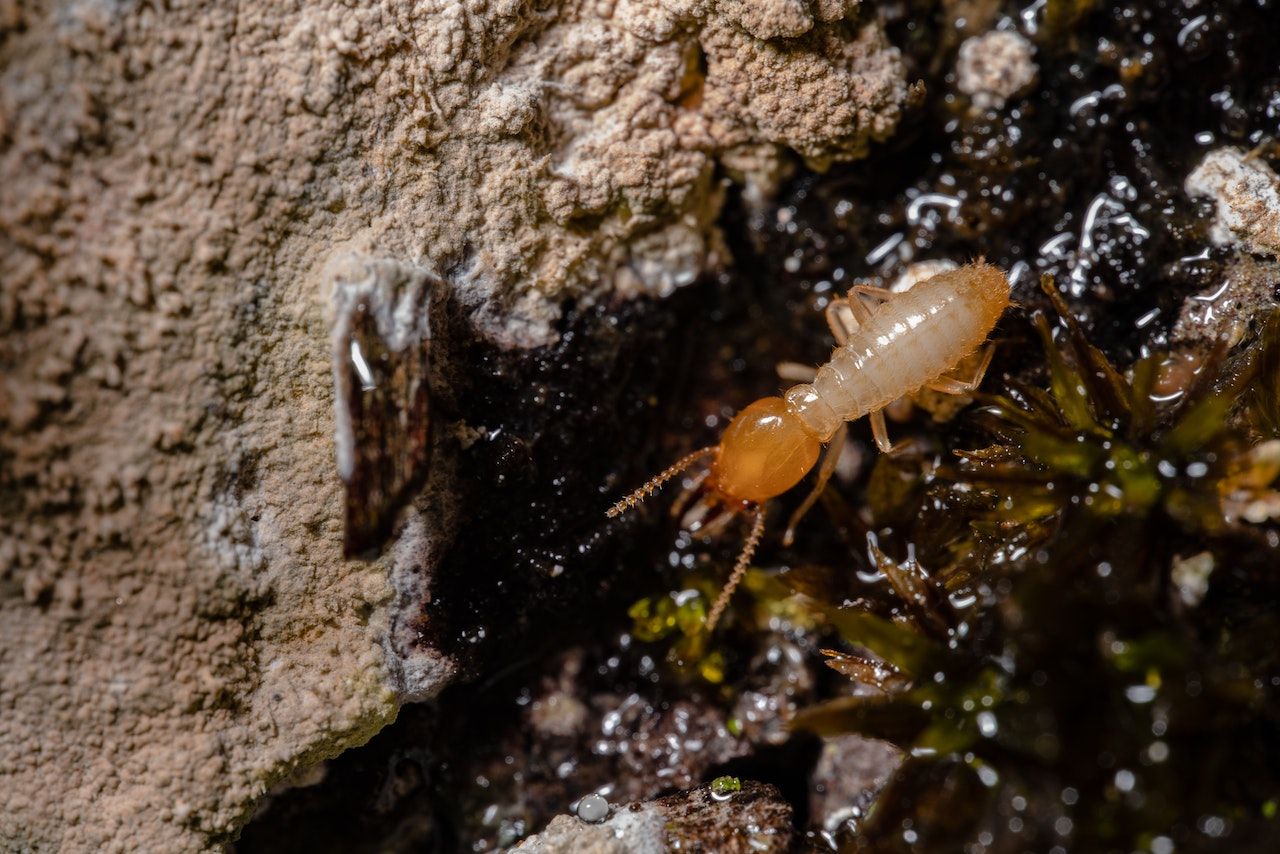
Termite control works best when you respect the soil. Subterranean termites build enormous, slow-moving societies that respond to patient, thorough plans. Liquid termiticide barriers can be effective, yet they require careful trenching around foundations, consistent application volumes, and control of soil disturbances afterward. Baiting systems add a monitoring layer and a control layer at once, using slow-acting insect growth regulators that are shared within the colony.
The integrated strategy often pairs a partial liquid treatment where conducive conditions are severe, such as at slab penetrations or settled porches, with a ring of baits in the landscape. Eliminate wood-to-soil contact under decks, replace cellulose debris, and repair drainage that keeps soil damp against stucco or brick veneer. The payoff is long-term suppression with less chemical mass in the ground. Give bait stations air, space, and sunlight. Stations placed under dense ivy or six inches deep in decorative rock rarely get hit. Monthly or quarterly checks early on will teach you where the termite highways really run on that property.
Termite swarms after a storm often trigger panicked action. Slow down enough to confirm species and source. Swarmers in a window track do not always mean an active nest in the wall. They may be spillover from a stump 20 feet away. Integrated response means you stabilize interior anxiety with vacuuming and temporary exclusion, then treat the source correctly.
Bee and wasp control, and when to leave them alone
Pollinators get respect and space when they are not a direct threat. Honey bee swarms on a fence rail in April often move along in a day as scouts find a new cavity. That is a case for a bee removal specialist, not general chemical control. On the other hand, German yellowjackets in a wall void or bald-faced hornets building in a shrub by a walkway present a sting risk that justifies removal.
For social wasps, integrated control tends to mean night work, a non-repellent or dust injected directly into the nest, and, if accessible, a vacuum designed for stinging insects. Follow-up two to three days later catches late returners and lets you seal entry points. Removing attractants matters more than many realize. Covered cans, prompt fruit harvest, and rinsed recycling bins lower wasp pressure by orders of magnitude in midsummer. If you are doing bee and wasp control near a childcare center or dining patio, dimming or changing outdoor lighting to warm spectrum LEDs reduces insect draw, which reduces the secondary food source for spiders and wasps.
Mosquito control lives in the inches of your yard
Most mosquito complaints trace back to standing water you can fix with a screwdriver and a five-gallon bucket. Gutters that hold a half-inch of water behind a sag feed thousands of mosquitoes per week. A saucer under a planter can breed a colony if it goes undisturbed for seven days in warm weather. Storm drains, corrugated drainpipes, and neglected kiddie pools do as much damage as marshes.
An integrated mosquito control plan balances habitat reduction with biological control and targeted adult knockdown. Dump and scrub containers weekly, backfill low spots, repair irrigation leaks, and use larvicides with bacterial proteins in sumps and catch basins where water cannot be eliminated. Dense vegetation harbors resting adults, so thin shrubs and raise canopy skirts to allow airflow. When adulticide applications are justified, keep the treatment low and targeted to undersides of leaves where mosquitoes rest, and keep drift off pollinator plants in bloom.
Rodent control is mostly construction
If you can see daylight around a pipe penetration, a mouse can see your pantry. Rodent control that relies primarily on poisons creates yo-yo cycles and carcass odor problems. The control that lasts involves gritty work with steel wool, copper mesh, and polyurethane sealant, combined with repairing door sweeps, screening crawlspace vents, and fixing warped thresholds. Snap traps, multi-catch traps, and remote monitoring sensors layer in to confirm you are winning.
Food management and storage cannot be afterthoughts. Pet food left out overnight, bird seed stored in paper bags, and open compost are rodent magnets. In multi-unit housing, one resident feeding birds on a balcony can force the entire building into a permanent rodent program. The integrated response combines education with enforcement. When someone insists on feeding wildlife, move the feeding zone far from the building envelope and demand rodent-proof containers.
Exterior rodent bait stations have a role, particularly on large commercial sites. Place them where rodents travel, not where people expect to see them. Ten to twenty feet off a corner along a fence line often performs better than a unit tucked behind a decorative shrub at the front door. Rotate baits, chart consumption, and, most importantly, do not let baiting substitute for sealing. The cleanest monthly bait report in the world cannot compensate for a dryer vent with a missing flap.
Spider control favors indirect wins
Spiders are often a sign, not a cause. Lights that draw midges, moths, and flies also draw spiders to build webs where meals are predictable. High moisture near eaves, gaps around soffits, and high-nighttime insect traffic create a web factory. An integrated approach leads with reduction. Switch to warm-spectrum LEDs, dial porch lights back with timers or motion sensors, and knock down webs during dry spells so spiders rebuild away from entries and seating areas.
Spot insecticide use for spiders is of limited value because most labels target crawling insects that pick up residues, not predators that touch minimal surface area. You get better returns by controlling the prey. If you reduce the numbers of gnats and beetles around lighting and windows, spider pressure fades. Seal screens, caulk window trim, and manage landscape lighting to brighten pathways rather than wash walls. If you must apply a residual, use it as a narrow band in cracks and crevices rather than as a blanket.
Bed bug control, the marathon race
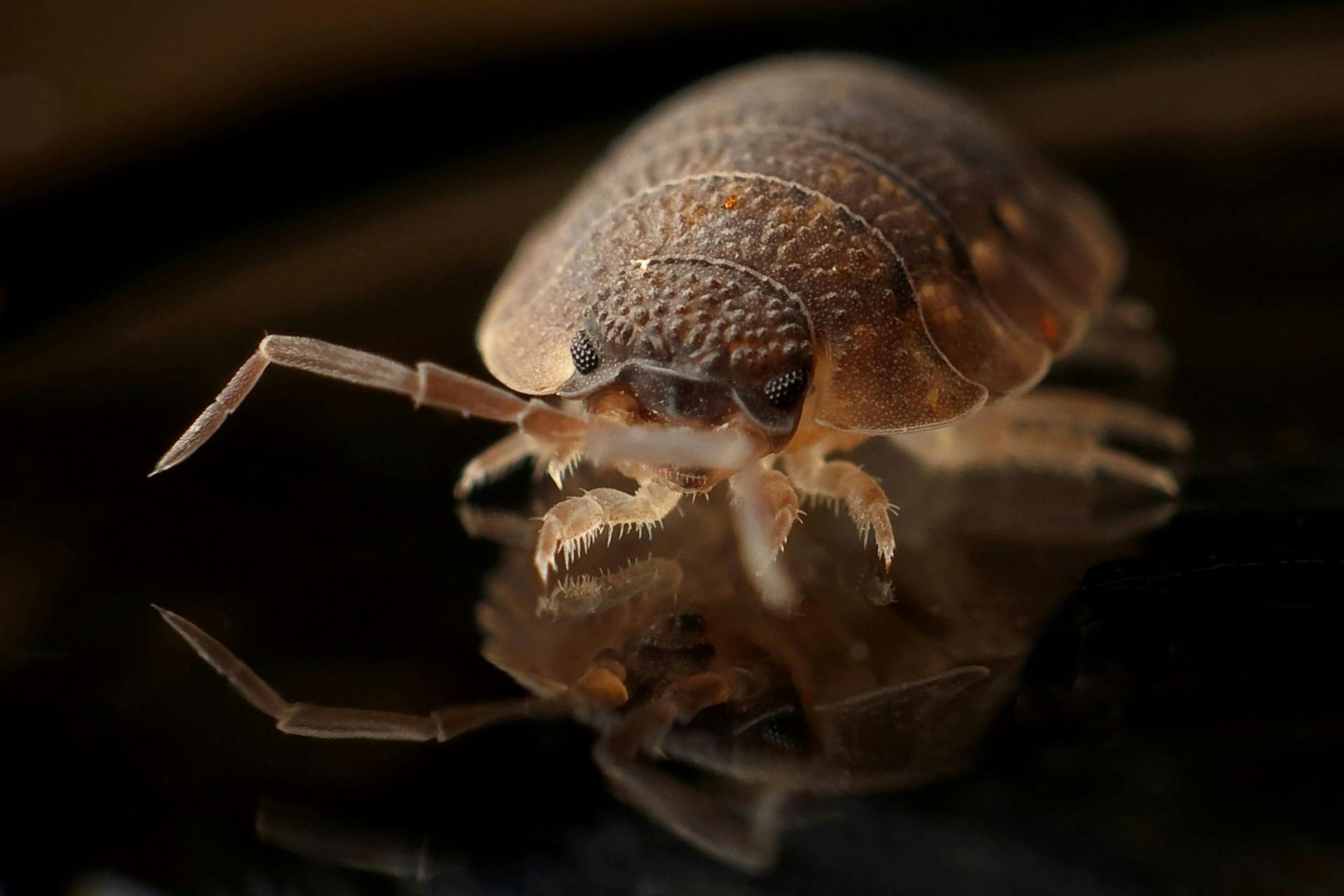
Bed bugs punish shortcuts. Sprays alone scatter them and train them to avoid treated zones. A strong bed bug program mixes inspection tools, heat, encasements, targeted chemistry, and meticulous follow-up. Start with a map of likely harborages. Headboards, bed frames, piping on mattresses, the underside of furniture, and baseboards near the bed are routine hotspots. Interceptor cups under bed and sofa legs show movement and measure your progress. Mattress and box spring encasements deny them their favorite refuges and make inspections faster.
Heat treatments work, but they demand discipline. You need calibrated sensors to verify lethal temperatures, air movement to break thermal shadows under cushions and in dresser drawers, and pre-treatment prep that avoids moving live bugs to cars or neighboring units. Where heat is not feasible, combine desiccant dusts in voids and switch plates with non-repellent sprays in cracks and crevices and gel or aerosol formulations for furniture joints. Coach residents on laundry containment, because a single laundry day can undo a month of careful work if infested clothing rides in an open basket.
Expect multiple visits. The most reliable programs schedule three to four services over six to eight weeks, with interceptors checked between visits. The win arrives when monitors stay quiet for two inspection cycles, not when bites slow down for a week.
Cricket control and night-sound geology
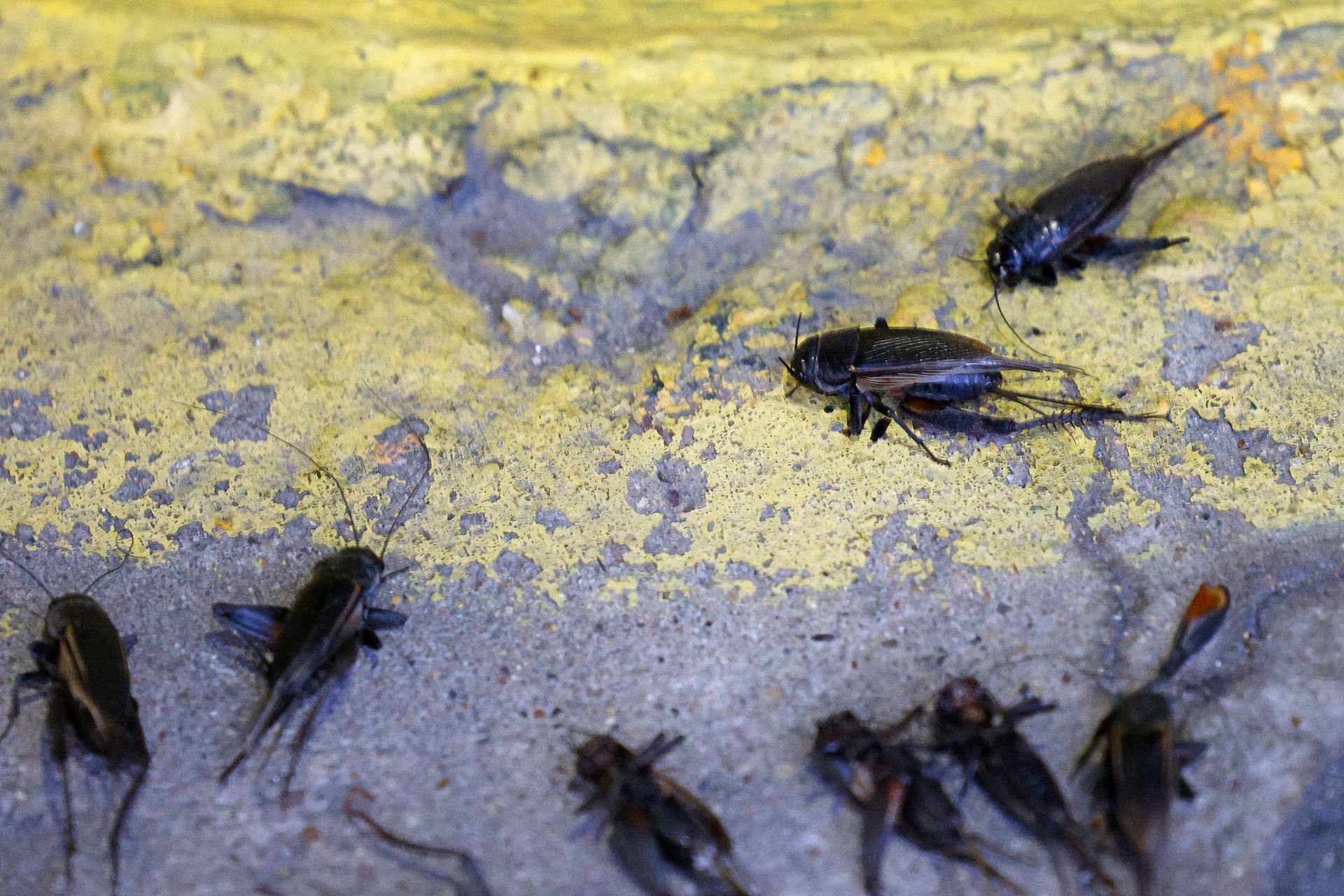
Field and house crickets wander in late summer and early fall when nights cool. They follow light and warmth and slip through garage door gaps and foundation vents. The integrated plan hinges on exterior light management and weatherstripping. Seal the sweep on the garage door, adjust thresholds, and reduce mulch depth along the foundation. Sodium vapor lamps attract them, while warm-spectrum LEDs attract less. In basements, declutter along the walls and use sticky monitors to track entry points. Spot exterior treatments along slab edges help during spikes, but habitat is king. A tidy perimeter band free of tall grass and debris will do more than gallons of spray.
Carpenter bees control means wood, not just insects
Carpenter bees drill into unpainted or weathered wood, particularly softwoods on fascia, railings, and pergolas. Male bees hover and bluff but cannot sting, while females can sting if handled. An integrated response starts with the wood. Paint or stain exposed lumber, and, if possible, replace soft, weathered sections with hardwood or composite. If galleries are active, inject a labeled dust into the holes in the evening when adults are inside, wait a few days, then plug holes with hardwood dowels and paint. Adding a sacrificial board on a detached structure draws pressure away from valued trim. In spring, catch early activity and address it promptly, or by June a row of holes can become a hallway network that overwinters new adults.
Where Domination Extermination layers methods on real jobs
On a multifamily building that had a revolving door of ant and spider complaints, Domination Extermination mapped moisture and light before touching a sprayer. The property’s irrigation soaked the first foot of soil along the building, and the walkway lights washed the walls all night. We coordinated with the landscaper to move sprinkler heads back, set the timer to early morning, and convert three wall-washing fixtures to downlights on motion sensors. We baited ants along trailing lines with two matrices, sugar and protein, and avoided residual sprays for the first two weeks. Spider webs vanished on their own after we dimmed the insect draw. By the six-week mark, ant calls dropped to near zero, and maintenance had a new irrigation playbook that cost nothing in plants lost.
In another case, a warehouse with chronic rodent sign had been blanketed with bait stations, yet chew marks on seed bags kept appearing. Domination Extermination found quarter-inch gaps under four dock doors and a set of wall penetrations for electrical conduits that had never been sealed. We halted baiting for a week, sealed the building envelope with brush sweeps and fire-rated sealant, and set 40 snap traps in a perimeter grid. Within three nights, captures plummeted. Bait stations went back out as a perimeter buffer only after the building was tight. The integrated shift, from poison-first to construction-first, cut rodent sightings by more than 90 percent and stabilized within a month.
The inspection toolkit that makes IPM work
A decent flashlight, a moisture meter, a mirror on a pole, a hand lens, and a handful of sticky monitors will tell you more than hours of guesswork. Documentation closes the loop. Photos of conditions, a map of monitor placements, and notes on what each pest took for bait build a history. In properties with termite or rodent risks, add a log of soil disturbances and construction changes, because a new French drain or a regraded walkway shifts pest travel the way a freeway off-ramp shifts traffic.
When spraying is part of the plan, lean on non-repellents where appropriate, especially for ants and roaches, and keep treatments tight to cracks and crevices. When dusting, remember that less is more. Heavy dust piles become bridges pests avoid. When baiting, small, frequent placements outperform large blobs that go stale. Rotate active ingredients over the seasons, not randomly week to week, so you can actually learn what works on that property.
Seasonal timing, because biology keeps a calendar
Spring is nest scouting season for wasps and a mood shift for ants. Catch them early and you can prevent the mid-summer blowups. Late spring is also ideal for carpenter bee detections, before galleries run deep. Summer concentrates on mosquito control, heat-driven bed bug work, and vigilance for termites after rains. Fall is your moment for rodent exclusion and cricket proofing while temperatures push pests toward warmth. Winter is document and maintenance season. Clean webs, repair screens, revisit door sweeps, and review notes to plan next year’s rotations.
One quiet tactic that pays off is aligning service frequency with pest life cycles. For example, monthly exterior ant baiting along heavy traffic areas in spring, then every other month after trails fade, maintains pressure without waste. Quarterly termite bait checks may suffice after a year of monthly or bi-monthly monitoring. The point is to move from reflex schedules to biology-based schedules.
How Domination Extermination blends safety and efficacy
In sensitive environments like medical offices and daycare centers, Domination Extermination prioritizes non-chemical and low-impact tactics. Expect more vacuuming of spider webs, more sealing, more trapping, and more reliance on baits tucked deeply into harborages. When chemical tools are necessary, labels guide every choice, and scheduling avoids occupant exposure. Night services for wasps, early morning mosquito applications before pollinators are active, and post-visit ventilation plans are normal parts of the program. The company’s files capture product rotations and exposure minimization steps so the next technician builds on a known safety baseline.
That same discipline applies in homes with pets. Rodent stations are locked and anchored, snap traps are placed in protective boxes, and gel baits are placed out of paw and nose reach. Clients get practical, non-alarmist instructions: keep pet food in sealed containers, pick up bowls overnight, and use lidded trash. These small changes reduce the need for stronger interventions.
Monitoring as insurance against the next wave
Two weeks after any control effort, the truth starts to show. Sticky monitors by door thresholds, interceptors under beds, photos at soffit corners, and notes on rodent station takes reveal what shifted. Monitoring is not busywork. It is the throttle. If activity drops, you taper service. If it spikes, you investigate before throwing more product at the problem. Did the landscaper bring in fresh mulch too deep against the foundation? Did a storm blow open a vent? Did a tenant move in used furniture? Integrated systems are dynamic. Monitoring is the feedback signal that keeps you from over- or under-correcting.
Putting it together across common pests
- Ant control thrives on dry perimeters, species-specific baits, and patient rotations. Sprays are support, not the headline. Termite control hinges on soil management, a smart mix of baiting and targeted liquid treatments, and wood moisture control. Bee and wasp control succeeds with timing, direct-to-nest work, and entry repairs, with pollinator respect built in. Mosquito control begins at the gutter and the saucer, then adds larvicides and precise adult treatments as needed. Rodent control is mostly construction, with trapping and smart baiting as the confirmation and buffer. Spider control piggybacks on light and prey management, plus routine web removal and sealing. Bed bug control is inspection-heavy, heat or dust plus non-repellent chemistry, encasements, and strict follow-ups. Cricket control pairs light discipline with sealing and slab-edge attention. Carpenter bees control focuses on wood condition and sealing galleries after dusting.
The practical payoffs of integration
Over a season or two, integrated programs use fewer chemicals, require fewer emergency calls, and deliver steadier results. Residents sleep better when mice stop appearing at 2 a.m., and property managers stop juggling angry emails about ants in the pantry every other week. Budgets like predictability, and so do technicians who prefer building on proven steps rather than reinventing each visit.
Set expectations early. Some pests, especially bed bugs and German cockroaches, do not disappear overnight. Others, like carpenter ants and termites, collapse quietly and then stay down bee and wasp control when habitat and moisture are controlled. Documenting each win and each miss, adjusting tactics based on biology, and maintaining the building envelope create a system that keeps paying you back.
Pest control done as a stack of coordinated methods respects both the occupants and the ecology of the property. It turns reactions into plans. And when the plans are tailored, practical, and rigorously monitored, they hold.
Domination Extermination
10 Westwood Dr, Mantua Township, NJ 08051
(856) 633-0304